Rare critical voice in Serbia’s media scene is set to be acquired by new owners, raising concern in civil society about its future independence.
International investment group Alpac Capital and Summer Parent, the ultimate shareholder of United Group, confirmed on Friday that an agreement has been reached for the sale of Adria News within which operates N1, one of the last TV stations that reports about the recent protests and opposition to the government in Serbia.
N1’s news director, Branislav Sovljanski, said on Friday that he is “aware that the public is concerned about all the developments surrounding the sale of Adria News Network’s media outlets”.
“However, what is also important to say … is that, so far, there has been no pressure on us to change our editorial policy, to take specific actions, or to avoid certain guests or topics,” Sovljanski said.
A spokesperson for Alpac Capital said that Adria News Network represents “an important addition to our portfolio of media assets where we will continue to invest to ensure growth and development. At ALPAC, we believe in fact based, neutral and independent journalism with sound and sustainable operations and financial results.”
Alpac Capital acquired a majority stake in the pan-European news channel Euronews in 2022. French Le Monde reported in 2024 that this takeover was partly financed by funds linked to then Hungarian leader Viktor Orban.
Serbian investigative portal Raskrikavanje reported in mid-May that United Group planned to sell its media business to the Luxembourg-based fund European Future Media Investments, which is backed by Alpac Capital, and that the 30 million euros deal involves several television channels and media outlets.
On May 20, more than 20 civil organisations from Serbia in a joint statement said the reported takeover of N1 “could represent one of the most significant threats with far-reaching consequences for media pluralism in Europe in recent history.
“This would place some of the last editorially independent television news broadcasters, daily newspapers, and online media platforms in Serbia under the control of a company whose existing media investments have been marked by allegations of censorship, political interference, and the undermining of editorial standards, all of which have been documented,” they said.
In August last year, the Organised Crime and Corruption Reporting Project, OCCRP, and its local partner, KRIK, published what they said was a recording of a telephone conversation between the recently appointed CEO of United Group, Stan Miller, and Vladimir Lucic, who as CEO of state-owned Telekom Srbija is an ally of Serbian President Aleksandar Vucic.
The speakers appear to discuss the firing of Aleksandra Subotic, CEO of United Media, the media arm of United Group; the voice identified as Lucic tells the person identified as Miller that Vucic had already spoken about Subotic’s dismissal with Nikos Stathopoulos, Europe chairman of BC Partners and a member of its managing committee. United Group is majority-owned by BC Partners.
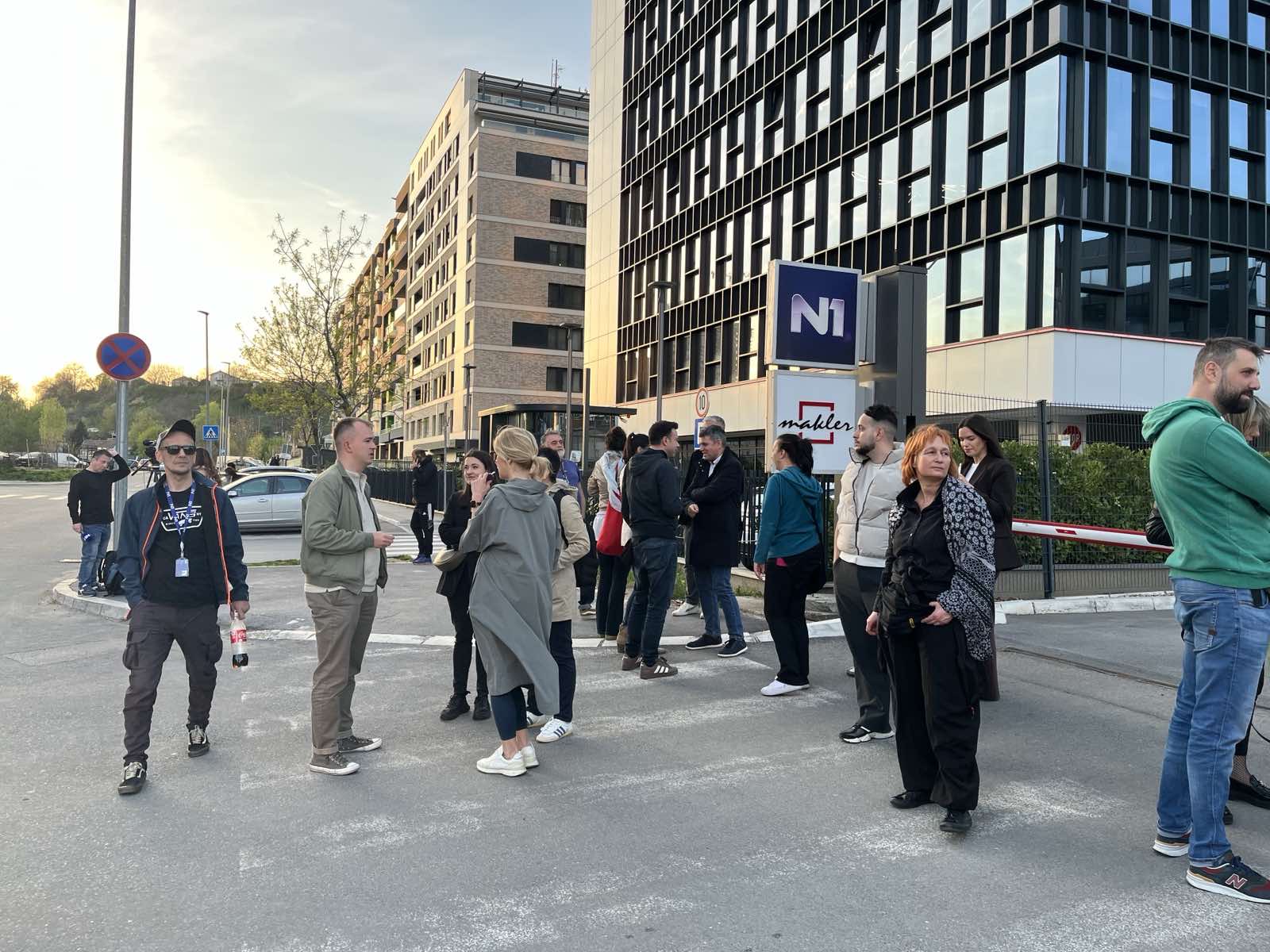
In April, TV N1 got a new Chief Executive News Editor, Brent Sadler, a former CNN anchor, while the then head of the N1 newsroom, Igor Bozic, was dismissed. Journalists and citizens protested the decision in front of the N1 offices.
The European Parliament in October last year adopted a resolution that noted concern over the alleged negotiations of the Serbian government with the owners of United Media “to ‘weaken’ independent media outlets operating under it.
“If confirmed, this would represent a serious attack on the already endangered media pluralism in Serbia; calls on Serbia to align with EU policies in countering foreign interference and disinformation campaigns,” the resolution said.
Source: BalkanInsight