To mark World Environment Day on 5 June, the International Federation of Journalists (IFJ) is launching a free online course, ‘Reporting climate change: tips from the IFJ’, which was developed as part of a Union to Union (UTU)-funded project and Global Initiative for Information Integrity on Climate Change. Given the far-reaching impacts of climate change worldwide, it is crucial to ensure that climate reporting is both accurate and comprehensive to combat misinformation, disinformation and greenwashing.
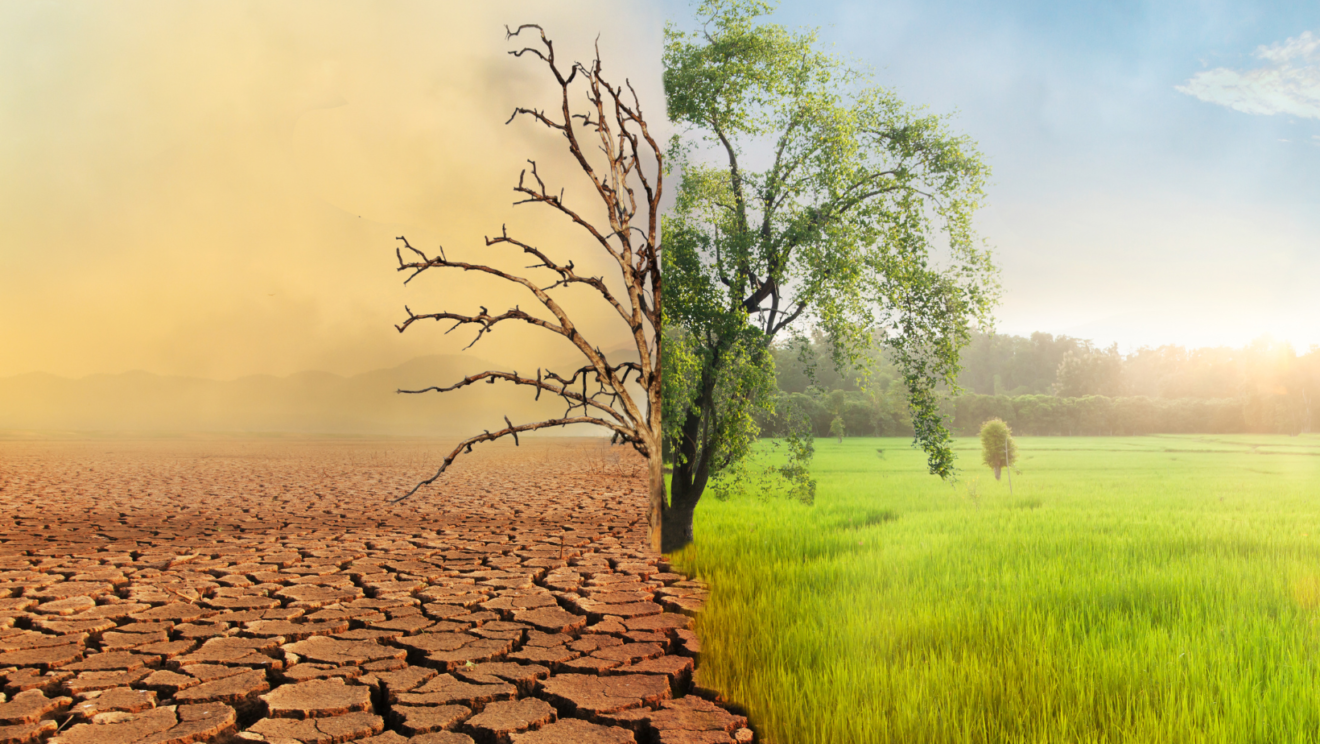
Climate change is a complex global phenomenon with multiple causes and consequences that affect populations worldwide. Journalists have a critical responsibility to report accurately on the scientific evidence and the impacts of climate change, enabling citizens to make informed decisions. The role of journalists is especially important in the face of increasing misinformation and disinformation campaigns, often linked to economic and financial interests, that seek to undermine scientific consensus and delay meaningful climate action.
How to stay safe
The course provides journalists with advice on how to stay safe when reporting on environmental issues. These include drawing up a safety protocol, finding a trusted local guide and informing a colleague of your plans before you go into the field. In line with the employer’s duty of care, the course emphasises that media organisations should have safety protocols in place and provide journalists reporting on climate with protective equipment and specialist safety training.
How to fight misinformation and greenwashing
One of the chapters provides tips on how to identify misinformation and greenwashing, such as being wary of oversimplification, choosing credible and authorised sources without a conflict of interest and avoiding false balance. “While it is a journalistic premise to hear both sides of a story, you should never give climate deniers a platform in your reporting”.
You can find the IFJ’s online course for accurate climate change reporting, in a step-by-step format, here.
The chapters
- Why we all need to be climate reporters
- What is happening to our world?
- What is causing climate change?
- What is the world doing about climate change?
- Where to find climate stories?
- Who to speak to?
- How to fight misinformation and greenwashing?
- How to stay safe?
- How to go further?
Source: IFJ