Marking Journalists’ Day in Montenegro, media unions said that security and working conditions for journalists in the country had worsened over the last year.
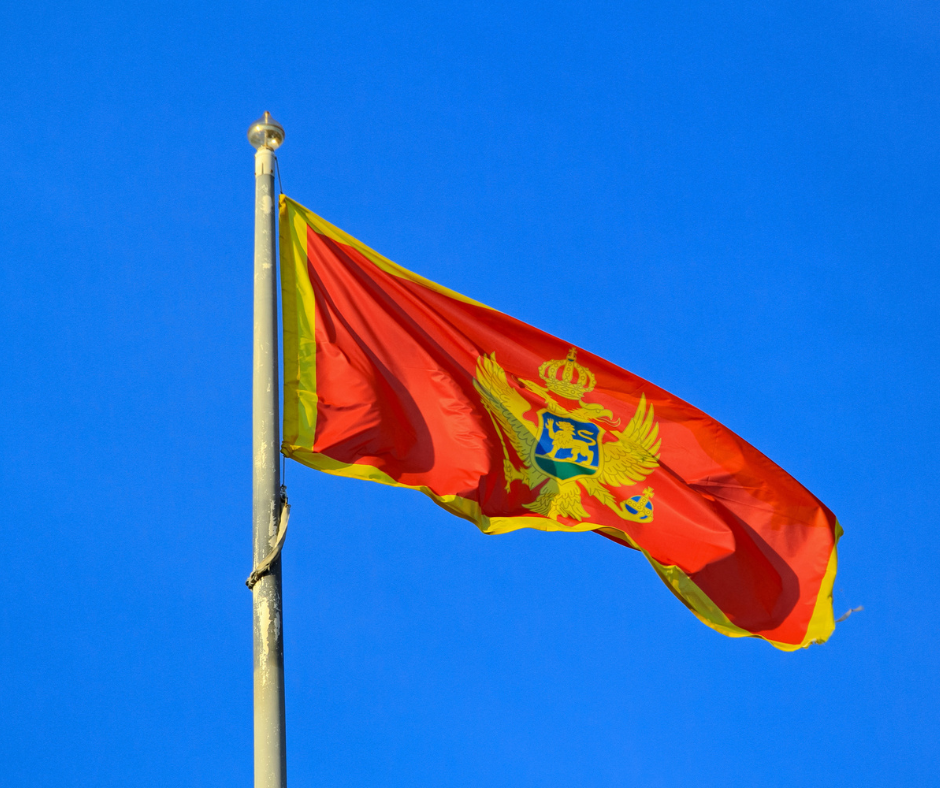
Montenegro, an EU candidate country often described as a frontrunner among Western Balkan aspirants, marks Journalists’ Day on Friday amid what media representatives say is a deteriorating environment for journalists, marred by attacks, political pressure and economic insecurity.
The Media Union of Montenegro said safety conditions for journalists hasd worsened over the past year, while political pressure intensified and economic conditions showed no improvement.
“Between two Journalists’ Days, we can say that security conditions have significantly deteriorated, political pressure has continued and worsened, and the economic position of journalists has not improved a lot,” the president of the Media Union, Radomir Krackovic, said on Thursday, at the panel “Dignified conditions for responsible journalism”, ahead of Journalists’ Day.
One of the journalists attacked last year was Stevo Vasiljevic, a photojournalist working for the daily Pobjeda and for Reuters. He was assaulted while covering the unveiling of an illegal monument dedicated to a World War II-era collaborator and war criminal, Pavle Djurisic, in the village of Gornje Zaostro near Berane.
Vasiljevic said the position of the media in Montenegro is “at a very low level,” largely because journalists lack resources to respond effectively to pressure and violence. “Disrespect and attacks happen in large part because we don’t have the resources to oppose them,” he told BIRN.
He said no state official contacted him after the attack and he criticized what he described as a lack of effective institutional response, adding that perpetrators have not been identified.
Asked what authorities should do to improve the status and safety of journalists, Vasiljevic said the state must enforce existing laws.
“The state needs to stop being afraid of para-state structures and force its institutions to respect the law,” he said.
The Media Union also warned that many newsrooms operate with insufficient staff and that journalists are increasingly exposed to threats and harassment. It said reporters often cover emotionally demanding topics without getting adequate time or institutional support to recover.
“If we want professional, free and stable media, working conditions must be regulated systemically, not by dealing with consequences after people have already ‘broken down,’” the union said, calling for more stable employment, dignified working conditions and salaries that reflect the responsibility of the profession.
According to the Media Union, 33 attacks on journalists were recorded last year, including 18 targeting women journalists, while 28 cases were reported to the police.
Marijana Camovic Velickovic, a member of the council of the public broadcaster RTCG, told the panel, organised by the Media Union and the Media Institute, that while various physical attacks and death threats against women journalists were recorded between 2021 and 2025, online threats were the most frequent form of abuse.
For years, journalists in Montenegro have been exposed to threats and attacks, many of which remain unresolved, including the 2004 murder of Dan editor Dusko Jovanovic.
Journalists’ Day in Montenegro on January 23 commemorates the publication of the first issue of the Montenegrin newspaper Crnogorac in 1871.
Source: BalkanInsight