In January 2026, the Independent Journalists’ Association of Serbia (NUNS) recorded a total of 38 incidents involving journalists and media workers. These incidents were predominantly characterized by threats, attacks on the Instagram accounts of media outlets and media workers, as well as attempts of intimidation. Additionally, cases were once again recorded in which the police physically intervened against journalists and media crews during moments of heightened tension or potentially risky situations in public spaces.
A total of 8 actual physical attacks were recorded, along with 8 death threats and threats to the physical safety of journalists, 3 other threats directed at journalists, and 4 threats aimed at media outlets. Furthermore, 15 attacks on media and media organizations were documented, indicating the continued pressure and risks faced by professional actors in the media sector.
Bot Attacks on the Instagram Accounts of Media Outlets and Media Workers
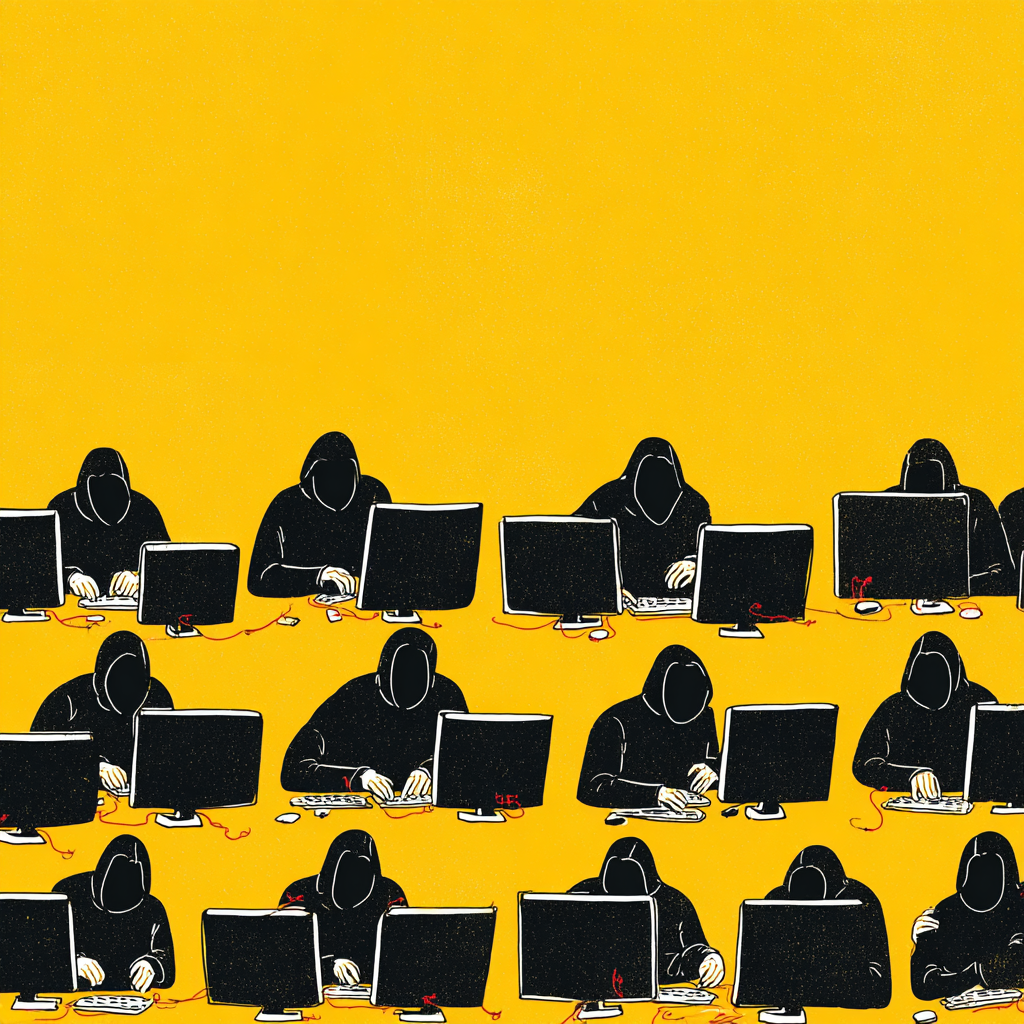
In January, a series of coordinated attacks on the Instagram accounts of media outlets and media workers was recorded, indicating the organized misuse of bot and fake accounts. These attacks, which occurred within short time intervals and followed an almost identical pattern, aimed to have the accounts suspended or shut down, as well as to intimidate journalists and newsrooms. Such practices represent a serious form of pressure on media freedom and the right to freedom of expression.
Cases of bot attacks collected by NUNS based on information from the media:
January 8 – The Instagram accounts of the media outlets Nova.rs and Nova S received tens of thousands of new followers within a very short period, using fake profiles.
January 10 – The Instagram account of the Zoomer portal experienced a sudden influx of a large number of bot followers from fake accounts.
January 12 – The Instagram account of the Radar portal was exposed to a similar bot attack, receiving a sudden large number of unknown bot followers.
January 15 – The Instagram account of photojournalist Irena Radosavljević was temporarily suspended due to mass reports from fake accounts.
January 16 – The Instagram account of photojournalist Gavrilo Andrić was temporarily suspended as a result of reports from fake profiles.
January 18 – The Instagram accounts of the Nova.rs portal (nova.rs_portal, nova.rs_show, and nova.rs_sport), as well as the private account of the administrator of these profiles, were temporarily suspended, while the Instagram account of the Radar portal was permanently suspended (Radar is part of United Media).
January 18 – The Instagram accounts of the media outlets Autonomija and VOICE from Novi Sad were attacked and suspended due to an unnatural increase in fake followers.
January 20 – The Instagram accounts of Danas, Nova.rs, N1, Nova TV, and Radar were again targeted by bot attacks, resulting from a sharp increase in followers over a short period of time.
January 22 – The Instagram account of N1 was once again targeted by bot attacks; within approximately 60 minutes, the number of followers increased by 23,000. A similar increase was recorded on the Instagram account of Radar.
January 24 – The Instagram accounts of the portals Nova.rs, Danas, and Radar were followed by a large number of bot followers.
January 24 – The Instagram account of Zona Plus was the target of a severe hacking attack by, as yet, unknown perpetrators.
January 30 – The Instagram account of the Čačak-based portal OzonPress was temporarily suspended for 180 days due to alleged violations of community guidelines. The newsroom immediately contacted Meta’s support, and the account was subsequently restored.
All accounts were eventually restored, but this does not diminish the seriousness of the attacks or their potential consequences. NUNS sent an open letter to the Meta platform regarding the mass suspension and shutdown of independent media and journalists’ accounts in Serbia. The letter emphasizes that such activities constitute an abuse of platform rules, raise serious concerns about freedom of expression, and may have long-term consequences for the work of professional media. NUNS warned that these incidents should not be viewed in isolation, but rather as part of a broader problem of threatened media freedom in the country.
Other Digital Attacks
On January 15, a threatening email was sent from the address [email protected] to the editorial offices of the daily newspaper Danas, the portal N1, Nova.rs, and KTV from Zrenjanin, as well as several other addresses. The message contained coarse profanity, insults, and threatening content, warning that the media outlets’ “social media accounts will be shut down” if they continued publishing critical articles about the president. Among other threats, the message stated: “F**k you everything you like the most in your stinky mouth”
On January 19, a new message was sent from a similar email address to the same media outlets, again containing coarse profanity, insults, and threats, warning that the media’s social media accounts would be disabled if they continued publishing critical content about the president.
On Instagram, on January 19, a fake account of the weekly magazine Radar appeared. This happened the day after the official Instagram account of the magazine was disabled as part of a mass bot attack. The fake account used the official media logo and posted articles and content previously published by Radar, but the person or group behind this fake account is unknown.
Additionally, the image and name of Insajder journalist and editor Brankica Stanković were misused in an online scam, which Insajder reported to the Prosecutor’s Office for High-Tech Crime. An unknown individual used her photo and identity without consent to deceive citizens of Serbia and mislead them into making investments.
Attacks on Journalists by Police at the Faculty of Philosophy in Novi Sad
On January 21, journalists, professors, and students gathered for a protest against the dismissal of Professor Jelena Kleut from the Faculty of Philosophy. Officers from the Ministry of Internal Affairs (MUP) entered the faculty to remove protesting students, using excessive force while pushing the crowd. Footage available on social media shows some officers striking protesters with open and closed fists, as well as with shields, and in some cases kicking them.
Among those forcibly removed from the faculty were several media crews. Police used force against journalists from Mašina and Danas, pushing them while they were clearly identifying themselves.
Journalists from the editorial team of Blokada.info were also forcibly removed, and one journalist from Blokada.info was physically hit by police officers.
All journalists clearly identified themselves, with some wearing vests marked “Press” and showing press credentials.
Journalists Facing a Large Number of Threats
On January 3, the editorial staff of the daily newspaper and news portal Danas received a threat to burn down the newsroom in the comments section under the article “The solution for NIS is only temporary: If MOL ultimately becomes the buyer, Serbia faces a ‘Croatian scenario’.” The threat was posted from an account named “Brine” and contained an explicit call to violence, stating that someone should “throw explosives at Danas.”
Photojournalist Marko Dragoslavić was the target of multiple threats, intimidation, and obstruction of his work. The first incident occurred on January 14, while he was photographing a construction site in the Stepin Lug forest, where, according to his statements, construction work was continuing despite a ban issued by the construction inspection. Dragoslavić was wearing a “Press” vest, had visible press credentials, and identified himself to the workers, who told him he had to speak with the investor. After a phone conversation, the investor allegedly threatened him by saying, “I’ll come there now and you’ll see,” while one of the workers told him it would be better for him to run away so he would not be killed. The prosecutor’s office dismissed the criminal complaint, and the victim announced that he would file an objection to that decision.
On January 18, Dragoslavić was followed and threatened by an unknown man. The incident occurred in the Zvezdara neighborhood, while the photojournalist was walking down the street. The man caught up with him, shouted insults and profanities, and followed him closely. At one point, the man said: “I’ll follow you all the way home.” Despite repeated warnings to stop and keep his distance, the man continued and issued a direct death threat: “You have no idea — I’m going to beat you to death!” Dragoslavić immediately reported the incident to the police, who drafted an official report, and he also managed to record the man with his mobile phone. On January 19, an unknown person knocked on the door of the apartment where Dragoslavić lives with his family and then left. As Dragoslavić stated, he was unable to see who rang the doorbell. He reported the incident to the police, who responded and recorded the report.
On January 16, the editorial staff of Radar received a series of insulting and targeting messages, including a threat of physical violence directed at all members of the newsroom, particularly journalist Vuk Cvijić. The threat was posted as a comment under his article “We reveal the SNS amendment to the draft Law on Public Prosecutor’s Offices – halting the work of the Prosecutor’s Office for Organized Crime.” The user account “Miša” wrote, among other things:
“Cvijić, now you will see your god, you Ustaša, who wanted to settle scores and stop Serbia, f** your Ustaša mother. You will get what you asked for, a stick over the head; you will no longer have Nenadić and Dolovac to sign for you while you suck Serbia.”*
On January 17, Igor Velić received multiple death threats on social media. On the X platform, messages were sent to him stating: “You should be eliminated with a 12.7 barrel, I’ll burn your mother, you Albanian Taliban terrorist,” and “You are a Gestapo member and should be eliminated like all Nazis and Gestapo members were eliminated mercilessly, buried underground, I’ll burn your terrorist Gestapo mother.” He also received a threat on the Facebook page “Borani se pitaju” from a user named Mirko Djekanović, stating: “You should first be f**ed and then killed… hehh.”* On the Facebook page “Borski blok,” Igor Velić has been targeted for an extended period through content aimed at discrediting him. On January 24, comments with open calls to violence were posted under an animated video, including threats such as “liquidate him, why not? no damage at all,” and “He should be lynched… who would be afraid of him… that’s how those Picula-type traitors are,” along with numerous insults and degrading characterizations.
Predrag Simonović, the author of the article “A New UKP Takes the Stage – Personnel solves everything” published on the website of the weekly Radar, received a disturbing comment with threatening content on January 23. The comment was posted by a person using the name “Slučajni prolaznik” (“Random passerby”) and alluded to the idea that the journalist “should take a walk along the frozen Danube in this winter weather.” Simonović stated that the comment suggests possible knowledge of his private life, which is why he perceives it as a serious and direct threat.
Journalist Marko Vidojković received a private message on Facebook containing extremely offensive and threatening content. The message consisted of a series of disjointed but clearly aggressive statements, involving continuous insults, dehumanization, and allusions to physical violence and death. The author used hate speech, derogatory metaphors, and references to graves, deathbeds, and bodily violence, giving the message the character of a serious threat and an attempt at intimidation.
On January 28, the news portal Slobodna reč from Vranje received threats via a message sent to the outlet’s official profile, stating: “Ustaše scum traitors, we will erase you forever so that you never reappear.”
Attacks on Journalists and Interference While Reporting
On January 8, the N1 television news team was stopped at the entrance to Pionirski Park by a “steward” identified by the initials M. S., who has previously been mentioned in the media. Along with another aggressor, they physically prevented journalist Žaklina Tatalović and a cameraman from entering the park, while directing insults and hate speech at them, including statements such as: “We are protecting Serbia from scum like you,” and “You are the scum that is destroying Serbia,” as well as dismissive comments about the media outlet.
On January 24, in the afternoon, in front of Pionirski Park in Belgrade, across from the National Assembly, an incident occurred while photojournalist Luka Pešić was photographing and filming the area behind the fenced section of the camp in Pionirski Park. Several individuals approached him, and according to video footage and the journalist’s testimony, at least two people (one male and one female) threatened and harassed him. The individuals told Pešić and his colleagues that “we will find all of you and see what happens.” On the same day, several unknown individuals emerged from the fenced area, followed, and blocked photojournalist Relja Jarkovački, who was photographing and filming events inside that part of Pionirski Park. The individuals threatened and insulted the journalist; however, police officers who witnessed the incident immediately intervened and prevented further escalation.
Dangerous Targeting Campaigns Threatening the Safety of Journalists and Media Workers
On January 23, N1 television journalists Sanja Kosović and Ina Dzakula were the targets of hate speech and campaigns of intolerance in the municipality of Kula. Posters appeared in Kula and surrounding towns targeting the “Mladi Kula” list, displaying photographs of the journalists in a pyramid-like arrangement, accompanied by Ustaša symbols and messages implying their affiliation with the movement and hostility toward Serbia. The same content was also posted on the Instagram page “Glas građana,” intensifying the targeting and spreading it into the digital space.
The series Evil Age 2: Creating Propaganda, broadcast on January 29 across TV Prva, B92, and several other cable channels, including Informer TV and Documentarna TV, employed selective framing and insinuations to portray public-interest actors—including Veran Matić, journalists, editors, and organizations—as “enemies of the state” and hidden centers of power. This approach fosters a lynching-like atmosphere, increases the risk of threats and pressure on journalists and organizations, and contributes to delegitimizing the professional media community. The mass and coordinated broadcast significantly amplified the reach of messages targeting individuals, creating serious pressure on those working in the public interest and raising professional and journalistic standards.
Suppressing Freedom of Expression Through Institutional Decisions
The decision not to renew the employment of Professor Jelena Kleut at the Faculty of Philosophy, University of Novi Sad, following the rejection of her appeal against her non-selection for the position of full professor, represents a dangerous precedent and a serious blow to freedom of expression and academic autonomy. The use of a secret ballot and the lack of clear accountability further deepen doubts about the regularity of the procedure and send a message that critical thinking and public expression of opinions may be institutionally sanctioned. The consequences of this decision go beyond personal and professional harm to Professor Kleut and directly affect students, including future journalists, who are deprived of continuity in teaching, mentorship, and quality education, considering that she has worked in the department for 18 years, teaches a large number of courses, and holds a significant mentoring role.
Appointment of the Director-General of Radio-Television Serbia (RTS)
The mandate of RTS Director-General Dragan Bujošević expired on February 2, and the RTS Board of Directors appointed him acting director for a six-month period the day before. Although appointed as acting director, Bujošević has reportedly not yet signed an employment contract, leaving the public broadcaster without an official representative authorized to manage operations and business affairs. The RTS Board stated that a decision on the appointment of a director-general through the announced public competition will be made by March 12 at the latest.
Draft Amendments to the Public Order and Peace Act Raise Concerns Over Potential Pressure on Journalists
The draft amendments to the Public Order and Peace Act, proposed by Ombudsman Zoran Pašalić, which include social media within the scope of administrative liability, have raised concerns among lawyers, media experts, and human rights specialists due to the potential for abuse. Experts point out that such an approach could create serious problems for journalists and media outlets, as the burden of proof would shift to citizens rather than institutions. This system could open the door to pressure on journalists, their sources, and contacts, making it harder for journalists to do their work and creating a favorable environment for self-censorship. It is also important to note that in European Union countries, regulations on public order and peace do not cover the digital space; instead, separate laws govern this area.