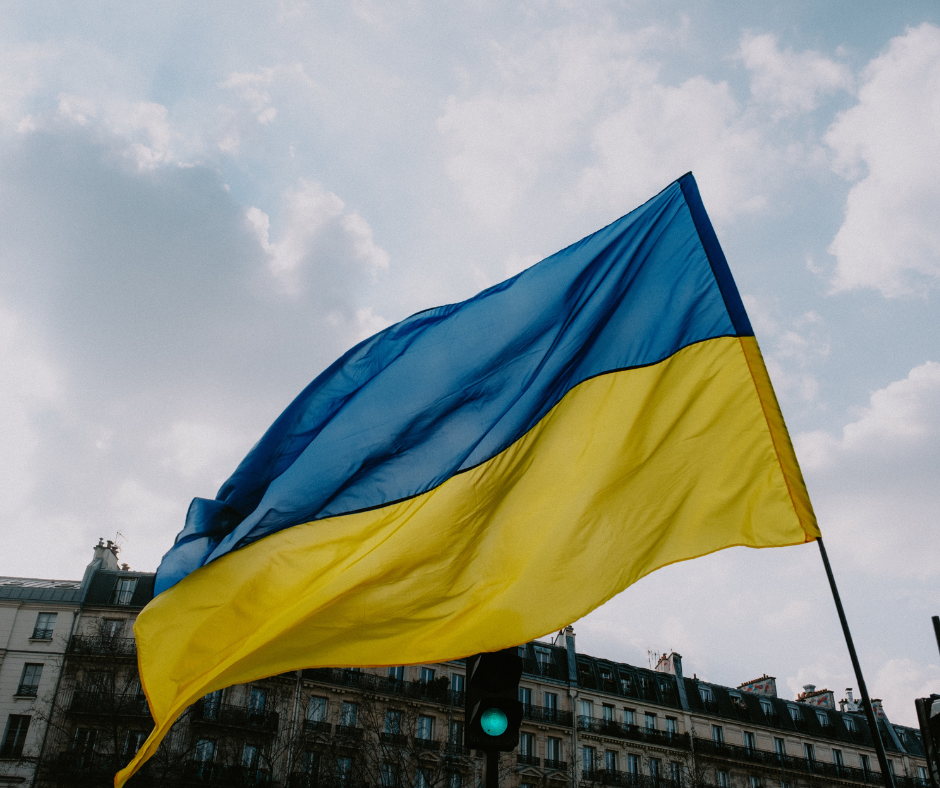
On the fourth anniversary of Russia’s full-scale invasion of Ukraine, the European Federation of Journalists (EFJ) joins Media Freedom Rapid Response (MFRR) partners in hailing the continued courage of journalists in the country who continue to report on the war despite serious risks – and waning international attention.
As we mark the anniversary, our organisations honour and remember the journalists who have been killed while reporting on the war and in the line of duty. We pay our respects to these reporters, who made the ultimate sacrifice in bringing news on the war to Ukrainian and international audiences.
As documented in our recently published annual media freedom monitoring report, 2025 stood out as the deadliest period for journalists in Ukraine since the first months of the full-scale invasion in February-May 2022.
In October 2025, three media workers were killed in Russian attacks in Donetsk region. French photojournalist Antoni Lallican was murdered on October 3 in a strike conducted by an FPV (first-person view) drone. Ukrainian journalist Aliona Hubanova and cameraman Yevhen Karmazin were killed on October 23 in another Russian drone attack. According to MFRR monitoring, 12 more journalists were injured over the past year as a result of Russian attacks.
In the past year, rapid advances in drone technology have made reporting work in Ukraine more dangerous than ever. Multiple incidents recounted by reporters over the past months seem to show that journalists are no longer protected by PRESS markings. Instead, these have become a target used by Russian forces to identify and attack media teams with drones.
In the past four years, 16 journalists have been killed while reporting from Ukraine, while 62 more have been wounded. The perpetrators of these war crimes continue to act with impunity and none of those responsible have been held accountable to date.
Twenty-six Ukrainian journalists are meanwhile still being held in Russian custody, mostly on trumped-up charges of ‘terrorism’ or ‘espionage’. Testimonies by journalists released from Russian captivity paint a picture of systematic mistreatment and torture.
In this context, the tragic and still unexplained death of Ukrainian journalist Victoria Roshchyna in Russian custody in September 2024 continues to underscore fears for the safety of other imprisoned journalists.
Across Ukraine media and journalists also face increasingly challenging working conditions, as Russian attacks continue to target the country’s critical infrastructure. These have left media offices without heating, power or running water, with Russia continuing to strike Ukraine’s energy systems throughout a harsh winter season and sub-zero temperatures.
On the anniversary of the full-scale invasion, MFRR partners continue to stand in full solidarity with journalists and media workers facing these situations. In the past four years, Ukrainian journalists have offered a remarkable example to their European colleagues by continuing their work in extremely challenging wartime conditions, with many losing their lives or injured while documenting the horrors of war. MFRR partners will continue to monitor, advocate and provide support to the Ukrainian media community now and in the future, as we continue to support the fight for free and independent journalism in Ukraine.
In this context, we call on all stakeholders with diplomatic and advocacy leverage to pursue immediate and sustained efforts towards the release of the Ukrainian journalists still held behind bars.
As peace negotiations continue, we also urge the international community to embed accountability for violations against journalists within broader justice and accountability mechanisms addressing the Russian war against Ukraine With regards to the situation of media on the frontline, we call for the respect by all parties of international humanitarian law, which guarantees journalists access to zones of armed combat and offers them protection as members of the press.
Finally, we call for an urgent refocusing of international support for Ukrainian media, including through funding mechanisms to rebuild critical media infrastructure destroyed across Ukraine.
Signed by:
- International Press Institute (IPI)
- European Centre for Press and Media Freedom (ECPMF)
- European Federation of Journalists (EFJ)
- ARTICLE 19 Europe
- Free Press Unlimited (FPU)
Source: EFJ