Serbia is among the countries with the lowest trust in the media, while at the same time leading the way in the use of social networks for information. These are some of the findings of the research, which the author of the analysis for Serbia, Snježana Milivojević, spoke about for “Vreme”.
While protests, political crises and conflicts over media freedom have been alternating for a year and a half in Serbia, a new research “Digital NewsReport 2026” shows that another profound change is taking place in parallel – the citizens trust less and less to the media, and they are looking for more and more information on social networks.
The worldwide research on information habits is based on almost 100.000 interviews in 48 countries. Serbia is among the countries that are included in the survey for the second year in a row.
Let’s recall that in this survey, 43 percent of respondents in Serbia stated that they trust the weekly “Vreme”.
Read about it in a separate news.
Snjejana Milivojević, a retired professor of public opinion and media studies at the University of Belgrade, who was in charge of analyzing and interpreting the results of research in our country, tells “Vreme” that domestic results largely coincide with global trends.
“Trends in Serbia coincide with global ones, with Serbia being somewhere at the top and somewhere at the back. We are at the top in terms of the use of social networks for information. This practically means that the platformization of information is very intense here. This year, social networks have become a more important source of information than television in many countries, for example in the United States of America, and this has been the case here for some time,” says Milivojević.
Serbia is at the very bottom in terms of trust in the media
According to her, the growth of the audience that is informed through social networks shows that citizens in areas with low trust in the media are looking for alternative sources of information on digital platforms. However, it is interesting that they do not fully believe the information they find there either.
“People go to social networks in a large percentage and look for information there, but more than 60 percent of them say that they are very worried about the quality of the content they find. There is a great suspicion of fake news and misinformation. So, people leave traditional media because they don’t trust them, and they turn to social networks because they believe there is more freedom there. However, they don’t fully trust that information either,” she explains.
The report states that the media market in Serbia is “poorly regulated” and “under great political control”. Milivojević assesses that the respondents gave a clear message that they do not perceive the media as independent.
When asked whether the student protests have changed the media image of Serbia, she answers in the affirmative.
“The results we have were collected during January and February 2026 and show that the student protests had a significant impact. Not only younger users switched from traditional to alternative media, but also older generations, and in large numbers. Before the student protests, this trend was not so pronounced,” says Milivojević.
She points out that the research results confirm a high level of mistrust towards the media in Serbia.
“Mistrust in the media is a global phenomenon. The world average of trust is about 37 percent, while in Serbia it was 27 percent last year, and now it has fallen to 22 percent. This ranks Serbia among the countries with the lowest level of trust in the media. Citizens trust the media they choose to follow a little more, but overall, trust in the media is very low,” she says.
According to her, the greatest trust is enjoyed by the media that citizens perceive as professional and critical of the government, while the least trust is in the media that are considered to have the support of the ruling structures.
RTS and social polarization
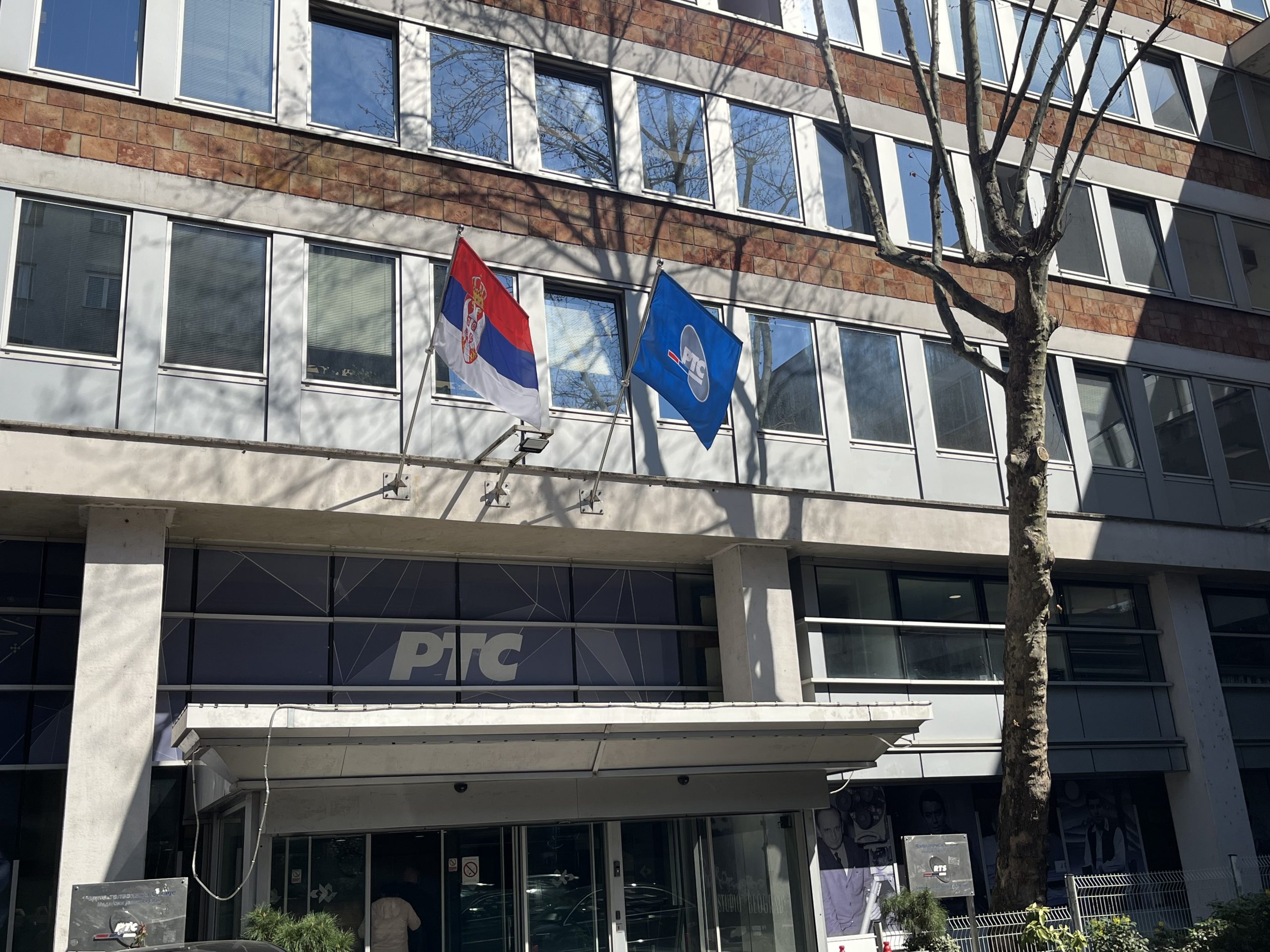
Speaking about Radio and Television of Serbia and the fact that the public service is still one of the most followed sources of information despite frequent criticism, Milivojević assesses that it is a consequence of deep social polarization.
“More people don’t trust RTS than they do, but a large number of citizens still follow it. People think it’s important to know what the official viewpoints are in society and that’s why they follow the public service. However, this year, for the first time, we recorded the fact that the majority of citizens consider the overall social contribution of RTS to be negative. It’s a specific paradox – RTS is watched a lot, but it’s not trusted,” she says.
Milivojević concludes that the research results indicate an increasingly pronounced polarization in society.
“Society is extremely polarized, and the audience rarely has a space where they can follow the exchange of different views and arguments. This is one of the biggest challenges for the media today,” concludes the “Vremena” interviewee.
Source: Vreme